
Very accidentally and quite frequently, I’ve stumbled into books wherein female main characters are protagonists who are their own antagonists. Capital A annoying here because it’s the trick bag dichotomy that I am not jiving with: Feminism encouraging women to be unapologetic for every and any choice: dangerous, messed up, unhealthy, or the like, AND, one cannot judge or opine a woman for her choice or behavior. On the other hand, patriarchy holds the lens of the critical eye viewing woman and wanting people to see perhaps a Stepford Wife, Barbie, or Pamela Anderson rock star/porn star, and the like, and at any rate, she is bad, dangerous and to be ousted from society. Left out are the women who aren’t sexy because they know policy, fight the good legal or capitalist fight, win or advance their cause or self. These women are so unsexy they are doomed to be real people and exist in non-fiction. What a dichotomy with a side car…
In this issue of Bookisshh we’ll look at how some works of popular fiction portray females— be them in conflict, crisis, coming of age, or into deep decline or demise. I won’t say, “Enjoy” but I will encourage you to wonder why this oeuvre of works has gained popularity and what this kind of work might be in response to. In the spirit of this, Enjoy!
I’ve been to the Hamptons and most of the people I know who are regulars do not put on the Bravo network version of spending time there. They’re not cooking fabulous meals like Ina Garten might—they carry out, eat out, cater in, and maybe scramble a couple eggs, schmeer something on a bagel, maybe fold a piece of lox and slide in sliced tomato and cucumber. The fancier friends remember the capers. Swimsuits are faded, skin is protected, and casual clothes with diamonds are the monied costume while the amateurs curate designer collections to message that they’ve got what it takes to run one of these estates.
However you spend your time in the Hamptons, there’s a lot of money there in those very expensive waterside or waterside adjacent properties. In those second or third homes there’s a lot of power, abuse of power, unequal power dynamics and yet it’s so sexy and appealing that people will do anything to weekend or summer there instead of congested, stinky, rat-infested New York City ( I enjoy NY BTW).
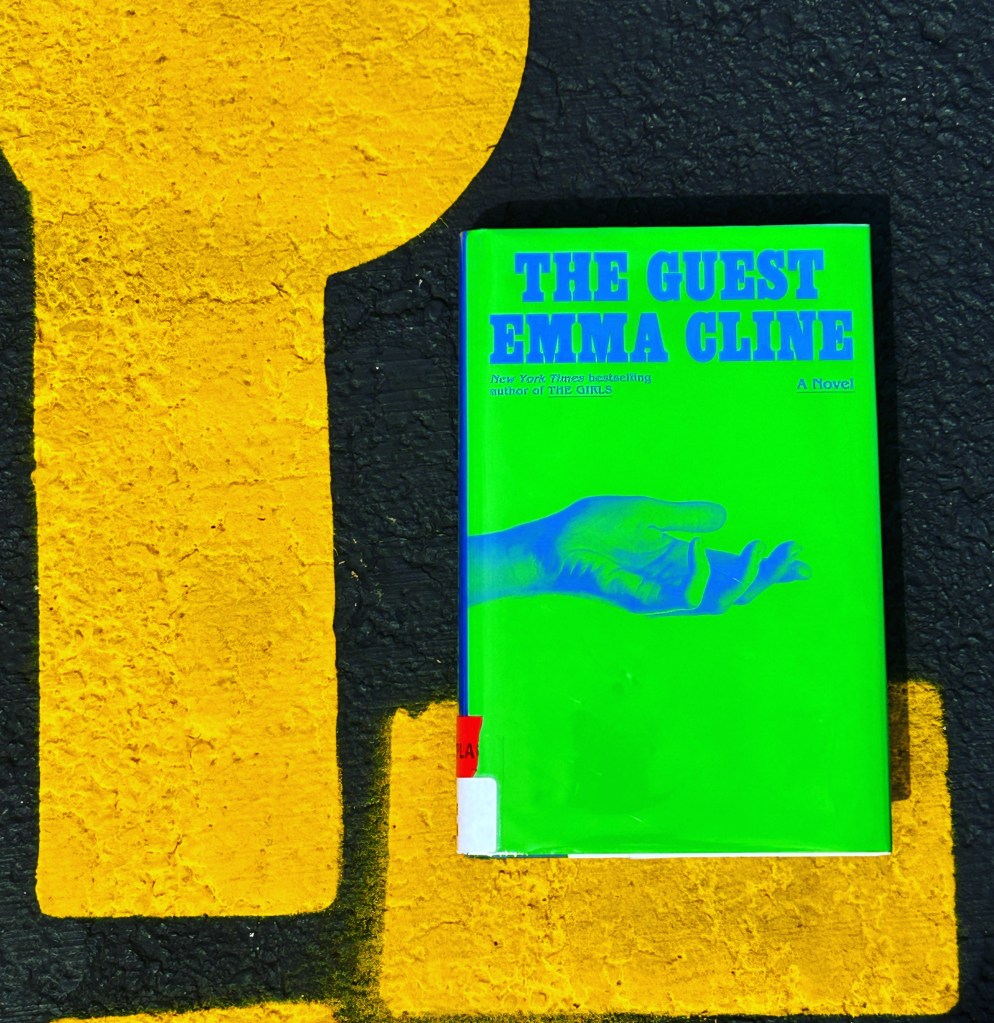
Enter Alex, a twenty-something female who has gained Hamptons access from Simon, her very-much-older-sugar-daddy. Alex is not really a prostitute, not really a sex-worker, not really an escort, but is a female who receives lavish gifts, has full run of the lavish house, can drive the luxe car, and spends her days stealing pharmaceutical prescriptions mixes them with other substances on the regular. Alex swims, works on her tan, has sex with Simon and accompanies him to parties where no one cares that she’s there or talks with her. Trophy escort I guess… What Alex doesn’t realize is that to Simon she is very attached. This becomes problematic.
Exit Alex, after attending a posh party and becomes bored, drinks too much, does some drugs and befriends a staff guy closer to her age and ends up in the pool with him, topless, up close and personal. Simon sees, snatches up Alex, who afterward, is sent packing because she is banished from Simon’s luxe-life and cannot attend his upcoming gala where his closest people and daughter will be.
By this point in the narrative, I have stopped reading SEVERAL times because the tension of the plot was dull. No backstory revealed, some intense guy taunting Alex via text and voice messages, and nowhere for Alex to stay in the Hamptons. Alex has ditched out on her train back to NYC because she’s homeless there having left debts unpaid.
This part of the narrative introduces the weekenders and owners and reveals how unbridled, depressed and desperate these groups are when they do and don’t intersect. Alex becomes a predator of sorts and really depends on the kindness of others while she steals from them or misleads them. Alex squats in different places around the Hamptons and takes advantage of young guys, young women, loyal employees, and even little children and their over-taxed nannies. It’s creepy and it was hard to give grace to Alex because she is a character with no real backstory… Readers do not gain access to why she’s landed into escorting and depending on older men who fetishize her.
The Guest is Emma Cline’s 3rd novel. The titles of her first 2 novels are, The Girls and Daddy Stories. I have The Girls but haven’t read it, it’s loosely inspired by the Manson Family and the murder of Sharon Tate. What’s noteworthy in The Girls is that the protagonist is a 14 year old girl, Evie, spies the Manson girls as they dumpster dive and try to thrive on the ranch. Evie feels sorry for them and steals from her mom to help them out and as she robs from the rich to give to the ranch poor, Evie gains access to the Manson world learns way too much about how life can go awry for women adrift.
See, there’s themes in Cline’s collective works: gender inequity, femicide, power struggles, sexual violence, and broken relationships which are also themes found in Daddy Stories as well. What I am hopeful for in Cline’s prior 2 works is that characters have a backstory and outcome as opposed to going down rabbit holes of mindless action, dangerous consequences, addiction and brutality. Is it not feminist to leave characters in a shitty rinse-repeat existence plagued by hopelessness and helplessness and this is their designated survival mode ad infinitum? Should characters be strong enough for a consequence or dare I say conclusion?
The Guest was not shelved on my DNF—Did Not Finish—shelf. In my digital archive it’s shelved on, “Books to throw out the window” shelf along with The Lovely Bones which I did throw out the window one winter when I lived in the city still. Dare I try The Girls and create a book landfill? At least it’s compostable…
Dear readers, I wish I could tell you that reading and struggling with a character who is unapologetic and nearly soul-less is a one time occurrence, but I fell into a rabbit hole made available to me via recommendations from what or who I thought were vetted sources. I have forced myself through the entire book and have left with this acidic aftertaste that shadows over something more delicious in a literary sense. Cline’s book and a few to reach the blog in the near future came via podcasters, bloggers and even Belletrist which is a book club mostly attended by millennial people. I am GenX and millenials and some GenZ folks were gushing about this book and others similar to it. Fault me I wanted to learn about a generationally specific phenom that captured the attention economy of these groups. Coming out the other side, and at the very least, I see how feminism has dug deeper trenches and grittier strategies via the popular content these millennials consume and celebrate. I just hope GenZ isn’t taking it as gospel. Only TikTok can but won’t tell.
 Bookisshh