
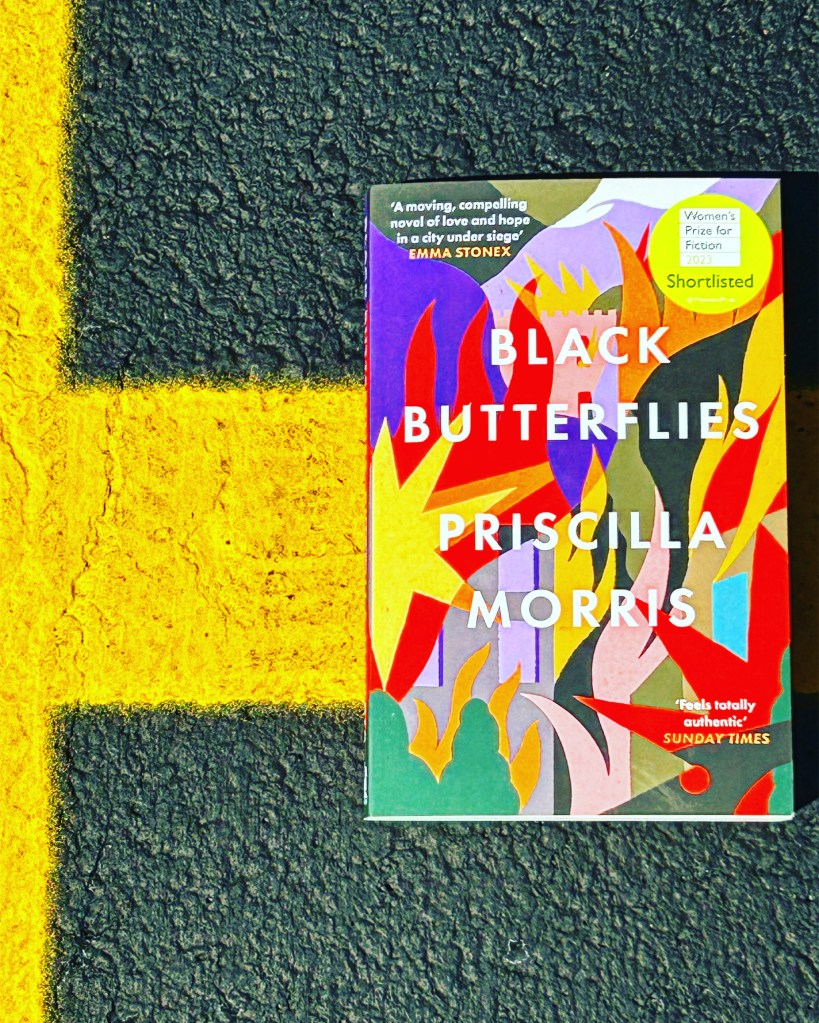
The first challenger to the 2023 Women’s Prize shortlist winner is Black Butterflies by Priscilla Morris. Before I dig into this novel, I want to remind you that the Women’s Prize for Fiction is an international prize awarded exclusively to a woman who publishes in English and within the United Kingdom. The 2023 Shortlist had authors originate from or possess heritages originating in Appalachia, Bosnia, the UK, India, Northern Ireland, and Jamaica. The other centralizing factor is that all of these brilliant and creative women have published works in the category of fiction. How these female authors accomplish their fiction is very different because there is no annual theme, just interesting, powerful stories that are well executed and judged according to the three descriptors in the following paragraph.
The shortlist novels are all very DIFFERENT and the judges choose a winner with these guidelines in mind: Excellence, Originality and Accessibility. There is no theme as in Canada where the governing theme is: the one book that ALL Canadians should read. Keep in mind that as a country Canada is possibly the MOST CULTURALLY DIVERSE country in the world. That’s a hard book for the Canadian readers and panel judges to choose! But this theme centers the necessity for an acknowledgement of the universalization of diversity and honoring the culturally important lessons of those who have gone before the recipients of this current living moment. Somehow they get there and choose a winner. However, we are here to discuss the 2023 Women’s Prize shortlist, the winner, and why I disagree. What I bring to evaluating a work’s Excellence, Originality and Accessibilty is different than the UK shortlist panel and if you’re following me you know that I politely disagree with the novel: Demon Copperhead by Barbara Kingsolver. Read on and see what I think about the first 2023 shortlist contender and why it knocks Kingsolver off the prize shelf. Enjoy!
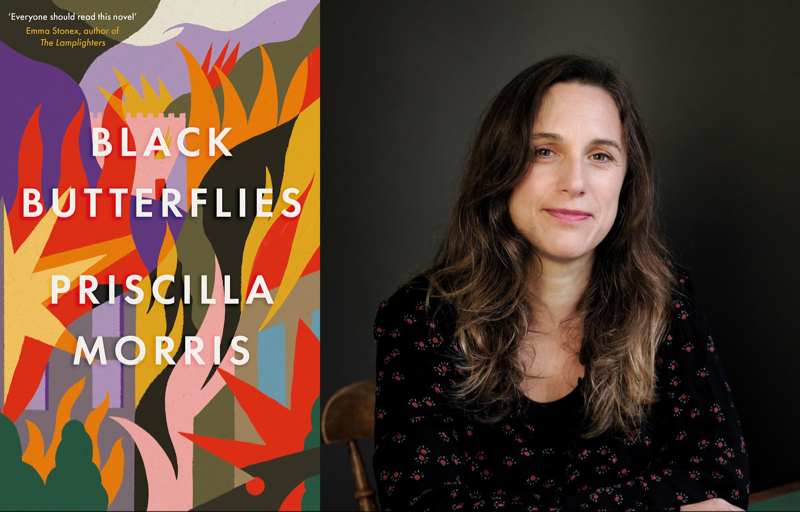
In her debut novel, Black Butterflies, author Priscilla Morris sets her book in Sarajevo, during the spring of 1992. Sarajevo, small city primarily comprised of Muslim, Croat and Serbs living reasonably harmoniously is overtaken by nationalist gangs and is partitioned into ethnic enclaves. Fences are erected and where those don’t exist barriers are erected by large objects to include furniture, broken vehicles etc. that line the streets creating separations between the different ethnic-religious groups. It’s complicated because within Sarajevo there has been cultural intersection and blended families as a result. With all of this intermingling can come a loss of national identity and this loss of self is leveraged and becomes the basis for war. Tragically, innocent people’s lives are at stake going to and from work or shopping or simply getting fresh air outside in once harmonious public spaces. As society fractures and fails, Morris carefully subtracts and disables key elements of the social infrastructure. Examples of this are Sarajevo’s government is dismantled and paralyzed, public spaces and monuments are destroyed, food, electricity and water are shut down and overtaken by shadow actors different nationalist groups control different things.One person, one group is not in control of all the citizens in and around Sarajevo and civil unrest is spreading like cancer as people flee, die or shelter in place.
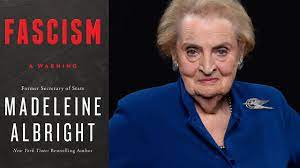
3 criteria are employed by the Women’s Prize judges to evaluate a work of fiction: Accessibility, Originality and Excellence. Let’s consider: Accessibility. Before I do though, I’d like to mention a book authored by Madeleine Albright that I read a few years ago just prior to her death. In her book, Fascism: A Warning (2018), Albright cautions citizens of the United States to consider the rise of nationalism both in the USA and allied and non-allied countries with the United States. This book was timely and brilliant and helps facilitate a person’s capacity to view recent and historic events during which nationalism rose and gave way to genocide, regime changes, propaganda and eroding and compromising democracies of all scale around the globe. Have you read Albright’s book? You might consider doing so… I cite this work because you can overlay it onto Black Butterflies and it’s astounding how they overlap—fact and fiction. I love when books of different genres or author are in conversation with one another. It’s a great way to give purpose to reading and really add to personal inquiry…
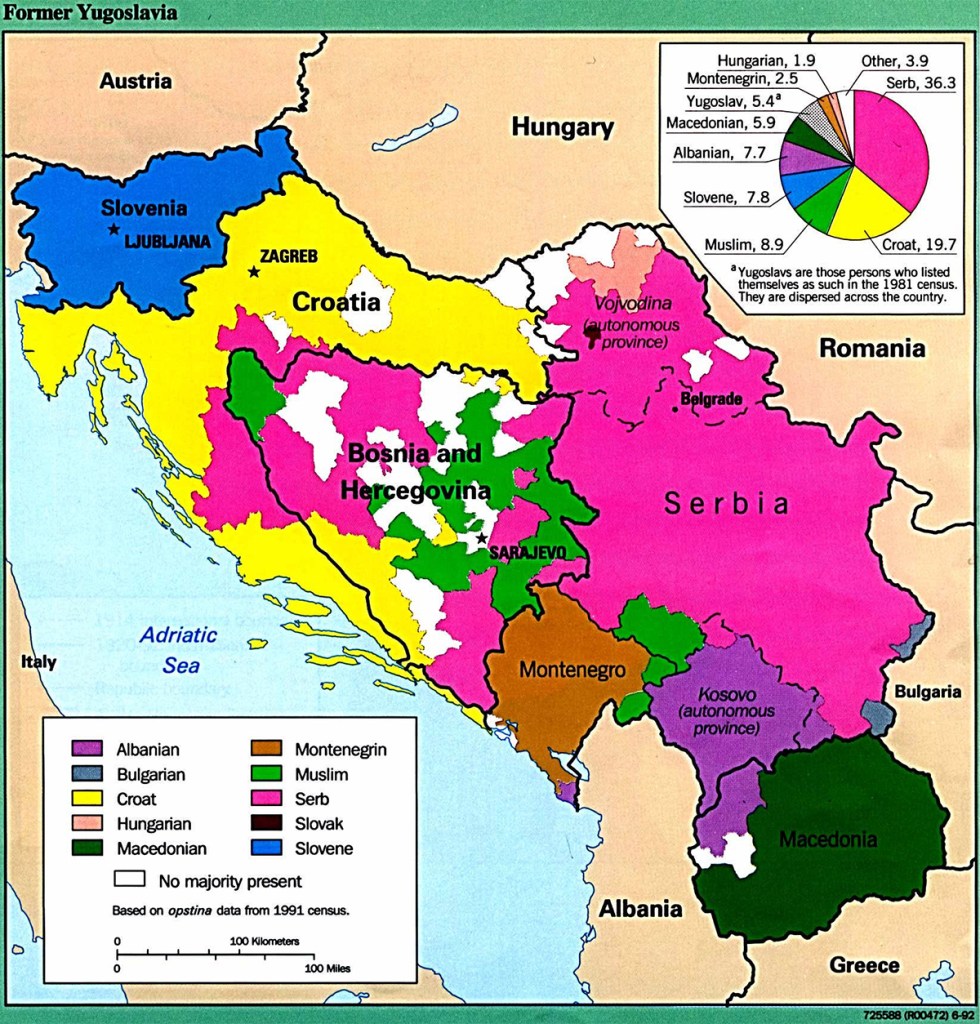
Accessibility. Morris takes a small country, one she has ethnic heritage in as well as migrational, first-generation concerns over was democratized and became increasingly diversified. This country is/was Yugoslavia aka Serbia and this city under duress is Sarajevo. Author, Priscilla Morris populates Black Butterflies with artists, booksellers, intellectuals, culturally intermarried couples, neighbors, students, friends, families, assylum seekers/pretenders, interlopers, squatters, soldiers, peace keepers, elderly and children. That’s pretty accessible right? If not consider this, people have freedom of speech, religion and choice. Is it more accessible yet? How about seeing all of this be taken away in a very short time by nationalist supremacists? Not accessible, but I’ll bet that you can feel what that might feel like given our shared current moments and news cycles (Gaza and Ukraine). On the point of accessibility, if we are part of the world and the world is watching a city be partitioned, resources overtaken, people being harmed, killed or sheltered in place than the premise and plot if you will, of Black Butterflies is clearly one that we can all relate to whether we are living in democracies or other forms of governance right now. I’m giving Black Butterflies all 5 pens (see my old rating systems) on the 5 pen scale for Accessibility. Author, Priscilla Morris, employs all the signs that Albright warns readers of: propaganda, false elections, polarization, new allies coming from Communist superpower or seeking superpower benefits, genocide, re-education, co-opting wealth, land and property, regime change, etc. Furthermore, Morris’ story is fact-checkable, researchable, visceral, couched in truth and possible. Morris tries to reveal WHY this happens and doesn’t make this tragic story a consequence of Capitalism, it’s deeper at the level of identity—who owns it and why.
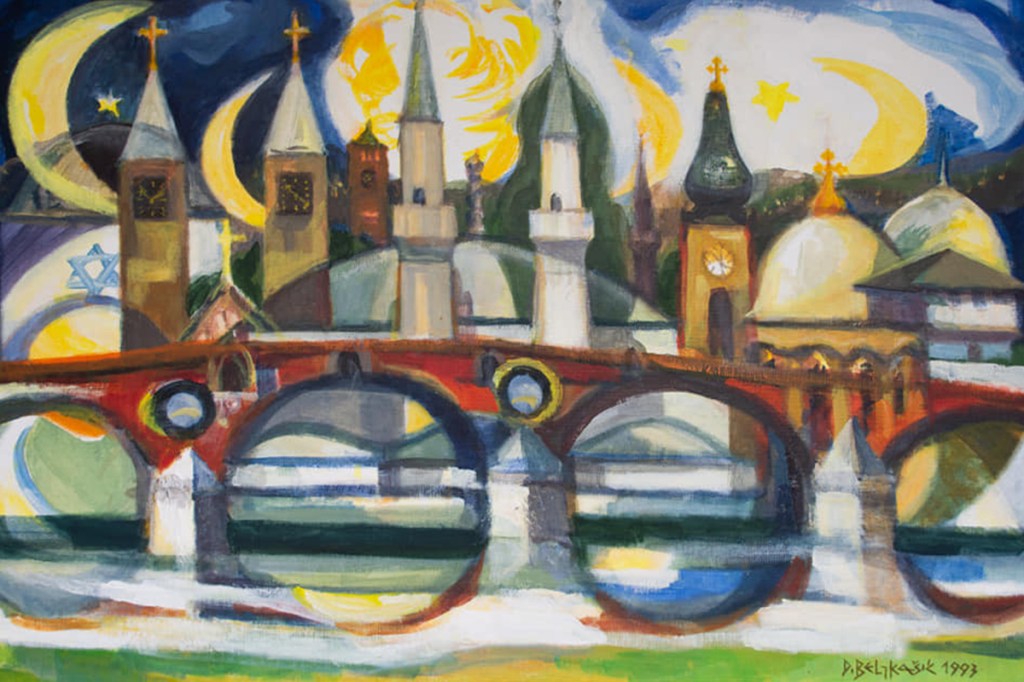
When an author employs an artist as her central character you know that the narrative is going to be original. Artists are individual in their vision, process, and response to personal and world events. Author, Priscilla Morris, cheats her readers of NONE of these things. I found myself underlining and capturing so many quotes from Black Butterflies because her writing is deeply visceral and imaginative. Interestingly, Black Butterflies captures it’s title in Morris’ description of black butterflies, what they are and from where they came from:
Zora feels something on her arm. It is the lightest touch on her bare skin. The first time she thinks it is nothing, that she has imagined it, but then it comes again, and again, like the pat of rain, except it is as dry as dust. She takes her eyes from the fire and looks up. It is difficult to see at first because the whole valley is clogged with black smoke, but gradually, Zora makes out dozens of black fluttering objects gusting this way and that in the air. She snatches at one and it crumbles into dust in her fingers. Another settles on her arm and she fancies she glimpses the loops and dots of Arabic script before they dissolve into sweat on her skin. She pincers a third between her thumb and her forefinger and gently teases open the curled-up scrap: Latin script and pencilled annotations in the margin of a yellowing page. Looking back to the fire, she realizes that what she took for crows circling Vijecnica are the burnt pages of books. The fragments of her paintings will be there, too, rising and falling over the pyre.— These have been falling all over the city for days now, as far out as the airport and Ilidza. Do you know what people are calling them? No. Black butterflies he says softly. He peers at the scorched page as if trying to read it, then carefully places it in his breast pocket. Burnt fragments of poetry and art catching in people’s hair.”
Sorry to cash in on the “money moment” which for me is when an author reveals the title during the context of the narrative. It’s kind of like how Hitchcock made cameos in all of his films. You watch for him, he’s very minor in the scene, and then, aha! It’s the same when I discover the nod to the book title. It’s such a special moment, I really savor this. At any rate, Morris is a beautiful, contemplative, analytical and deep author. She is not messing around with her authentic story of Sarajevo’s downfall during the 1990s. She enables readers to see her paintings and the naive creations of her friends and neighbors as she turns the stairwell in her apartment building into an art and performance gallery using war debris and found objects in these creations. Morris is creative and original in how she examines relationships, family dynamics and how the parts of the soul grow when space and time draw people apart or in Zara’s case pushes them together. This book is so intimate and emanates truth deep in its core so 5 Pens for Originality.
A brief meditation on Excellence. In terms of page count, Black Butterflies is a short book at 280 pages! Readers experience how a city is fragmented, overtaken, ravaged, citizens dying, fleeing, sheltering, surviving. Morris immerses readers with consideration, purpose while not traumatizing them. She understands human nature and places value less in political agenda and more in humanity’s desire to survive and collaborate in this process. This book really has everything for readers: culture, politics, art, ethics, economics, strategy, family, love, friendship, life, death and hope. Morris uses all her tools without fatiguing readers and her toolkit utilizes tools that expand a reader’s capacity to see, feel, and consider. I’d say that for the category of Excellence Priscilla Morris gets all 5 Pens! Truly an excellent work of fiction!
I am still reading through the other books on the 2023 Women’s Prize shortlist to decide which one I think should be the winner. No deception here, of the 3 I have read so far, Black Butterflies is by far my absolute favorite. Try to get ahold of this book. If your library doesn’t hold this book, request it. This book needs to circulate and get into people’s imaginations because polarization leads to partitioning. Partitioning leads to war and in this 2024 moment we now have 2 options to watch and read about war on a daily basis with live updates, so this concept is not removed from the lives of US citizens, in fact it becomes more possible all the time. Enjoy!
To learn more about Priscilla Morris and her debut novel Black Butterflies click on the picture below.
 Bookisshh