
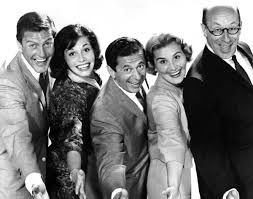
Some of the funniest conversations in my home often grow out of what my Gen Z kids refer to as, “vintage television” which can refer to anything recorded in black-and-white, represents mostly caucasians in the middle class or in leadership roles, and positions both women and men in traditional 1950s roles at home and work. Vintage television also expands into early stages of the use of color in both film and video and narratives that are more sociopolitical in content and theme. We’re basically looking at the 60s and 70s in television but my family never gets this far in our discussions on vintage television because after watching one black-and-white movie or TV show, my GenZ kids have left the building.
As a card carrying member of GenX, I grew up watching television, going to movies, and saw the rare show on cable. I even worked in television news for CNN briefly. Overall, I am fascinated by how different mediums have shaped consumer consciousness and forced stereotypes to become representational archetypes and for some groups be regarded as, “the norm”. In today’s over-mediated environment, t’s hard to track how and what shapes a group or individual’s consciousness and preferences. The sheer number of streaming platforms using multidimensional algorithms which track and serve viewers across platforms and websites make it impossible to quantify and explain the development of preference and taste.
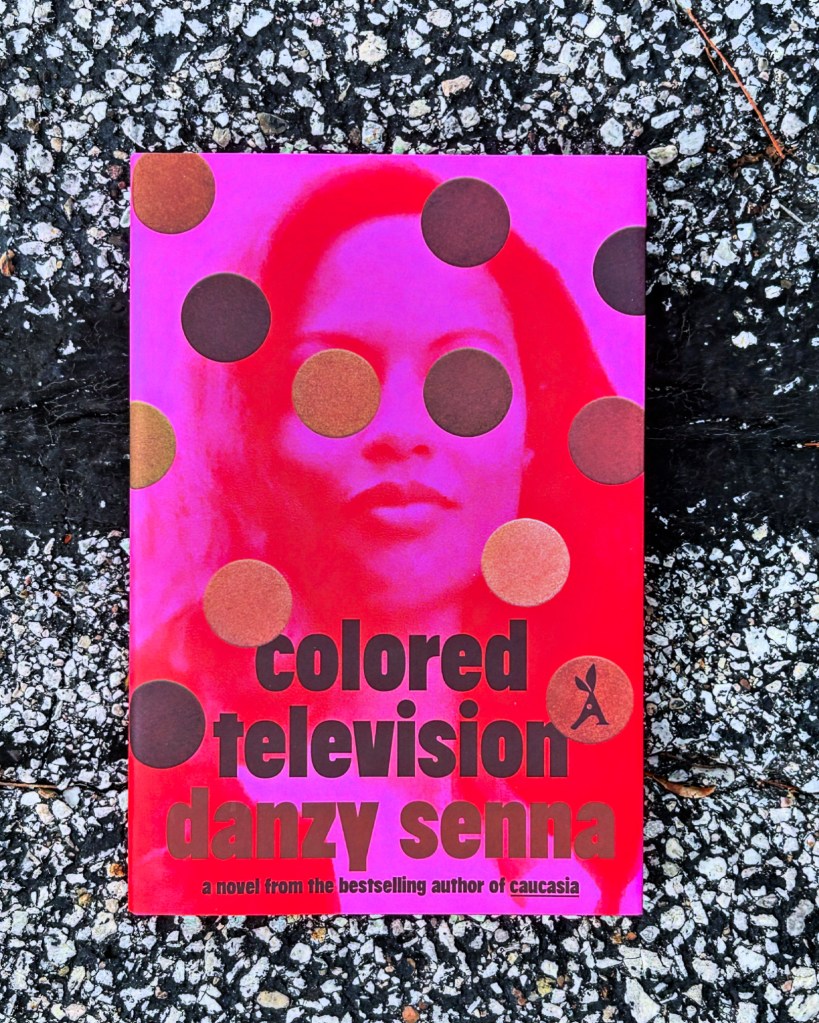
So why do I talk about all of this? Because author, Danzy Senna utilizes her personal and racial story and contextualizes these elements from her life within her current novel, Colored Television. Additionally, The author utilizes primary source and historical details to educate her readers in Mulatto history and issues. Senna regards herself Mulatto. Simply stated, this means her heritage and racial identity is a combination of being Black and White. She does not call herself, “multiracial” or “multicultural” and makes a case for Mulatto people as a very specific population of people who have built communities, identities, histories, and made societal contributions on all scales. Senna goes as far as combing through historical records within science and politics and geography to demonstrate her case for the Mulatto and/or Melungeon people.
When pairing the concepts of education and entertainment (edutainment), Senna, in her latest book, Colored Television, aims to be multi-textual and collages together, facts and selections from primary sources. Once her reader completes and takes her novel as a whole, could read this work serves as a sociological or anthropological source establishing an ethnography for Mulatto people and demonstrating constructs of race, race-combined generations of people who are living together communally and identified as an exclusive group.
In this novel, Jane, the novelist is trying to weave these types of details into a novel that us readers never read. However, as Jane‘s novel is rejected she takes her task to television screenwriting, and we see how difficult life is for artists of color to be able to produce art and content that reflects their story when their story isn’t entirely clear or doesn’t fit neatly into the stereotypes and archetypes historically distributed and consumed.
Colored television is about a family in which a mom/wife is a novelist and college who is Mulatto and her husband is a Black man who lives and works as an artist/painter. Jane and her spouse are a couple who work creatively and live on their own terms in varied and unique circumstances. Somehow, this couple cobbles together a life for their family of four in LA where they live in either scrappy apartments or in more luxurious context as helpers or guests. It’s complicated and it’s also hard on their kids. They move a lot. They have two children a daughter who is struggling with her own racial identity because she tends to go to school in neighborhoods where non-white children are fewer in number at school. Additionally, the son and younger brother (who in my opinion is brilliant) is further marginalized and is viewed through the lens of the autistic spectrum but his diagnosis is not definitive. Black boys and Mulatto boys experience a harder time in white schools. Senna does not shy away from dramatizing how isolated Black and Mulatto children and families feel at school and school communities.
I’m not going to tell you every maneuver she does in this book, but I will tell you all of the maneuvers that Senna uses caused me to struggle with sinking into the book until 87 pages. I’ve started this book 3 times before I could sink in. It’s not that I was distracted or didn’t care. It’s just there’s so much going on in the story structure and it took time loosening my brain and receiving the all the factual information that was fascinating while maintaining the actual storyline which felt secondary to learning about the challenges, both historically and present in being Mulatto. Colored Television is one of those books that works on your brain and impacts your way of seeing and experiencing the life of another person or people.
Like an LA story Senna’s main character Jane engages with narcissists, capitalists, and plain old thieves as she works herself into a producer/director’s lair. At this point, the book takes off – – secrets are exciting, deceptions unfold, lives teeter at the precipice of failure. It’s anything but funny but for some reason, people think this is a very comical book which is where I depart from popular opinion. I never think People being taken advantage of is funny and I don’t think the loss of a person’s intellectual property is funny either. However, I still enjoyed this book funny or not.
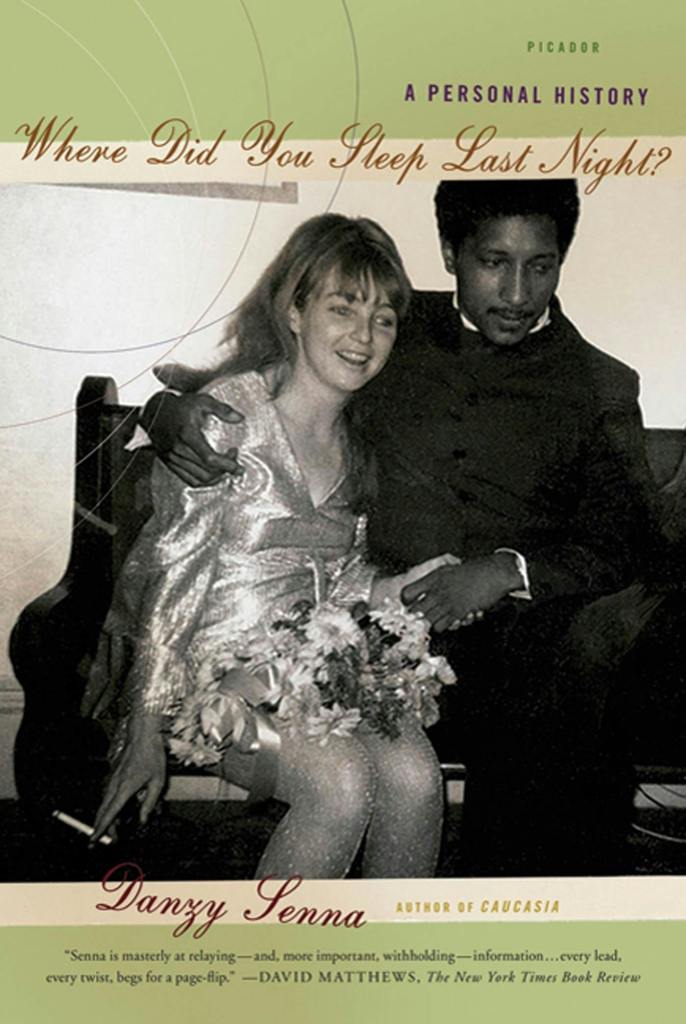
I have read everything that Danzy Senna has written and published to date. Her memoirs are the ink that pens her words and tells her stories. Senna’s parents who had a controversial interracial marriage in Boston in the 1960s. She comes from a high profile family on her mother‘s side – – the kind that has nameplates on buildings at Harvard University. Her father, a student of her grandfather’s at Harvard is Black and descends from enslaved people. The disruption in her family of origin is a theme that appears and reappears in her work and also has given her a foundation for her considerations on race and racial identity. I invite you to read her memoirs if you’d like to learn more about Danzy Senna.
I give Colored Television🖊️🖊️🖊️🖊️ 4 pens and a lot of credit for working on my brain and loosening and opening spaces to deepen and expand the potentials and constraints when considering, viewing, and acting in the world from a standpoint of race. Senna always leaves me feeling this way upon concluding her work. She goes far to go deeply within and underneath the beautiful expressions of DNA. Do let me know if you read this book or any of her others, I’d love to hear your thoughts. Until then enjoy!
 Bookisshh
Whew! You did a lot here to make this make sense! I appreciate your efforts. I enjoyed reading your review FAR more than i enjoyed Senna’s book! Thanks
LikeLike