
So far in 2025 it seems like it’s debut madness in publishing. Debut authors not yet tried and tested are populating literary prize long and short lists like the Booker, International Booker, The Women’s Prize, The Tournament of Books and The Pulitzer. It’s DEBUT MADNESS now every spring into summer and just in time for summer reading and the last round of major book sales right before holiday time.
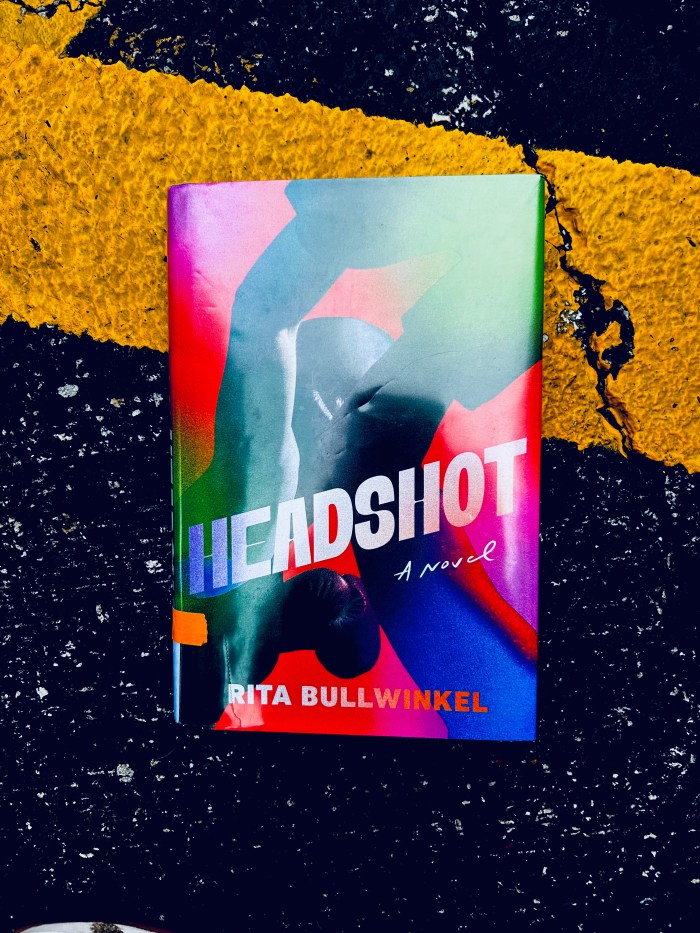
I have attempted to read a long list or a short list to see whether I agree with the judges. What an exhausting and unnecessary exercise. I’m just not that competitive to complete this kind of task. In this issue of Bookisshh I’ll step into the ring with, “Headshot” by Rita Bullwinkle, a recent debut author and long list and short list nominee. Enjoy!
The story begins in July 2000, Reno Nevada. Bob’s Boxing Palace is hosting the 12th annual Women’s 18 and under Daughters of America Cup. Young women will punch and pummel one another into hamburger meat with some in full glam (at least hair and makeup glam)… This is a story of 8 young women, how they come to and leave from the sport of boxing which as a sport gives a short berth to women—blood, guts and all…
Since I am the only female at home right now, I am exposed to a lot of boxing and ultimate fighting that the fellas watch on TV and pay premium prices for it. Fighting is definitely presented as a medium mainly for males with women as sexy accessory or trophy bride/date. Nonetheless, I have learned a lot about the sport, the art of the fight, the different techniques and strategies fighters use to win and/or disable their opponent. IRL the announcers focus on fighting statistics and mishaps, but limited details regarding the backstory of any fighter because it humanizes them and detracts from the catharsis that watching fighting promotes. This is even less so for women who do not occupy the main card equally to men. Reading this book though shows me that the author has a very limited experience watching boxing. Her discussions of female boxers, likely would not gain the attention of boxing fans, male or female.
Author Bullwinkle attempts at humanizing, her female protagonist acting as antagonist. She portrays women at their most toxic, giving brief flashes of a female boxer’s backstory during their time in the ring engaged in the match. For example, one fighter has flashbacks of a traumatic experience during which she was a younger lifeguard. A little boy drowns during her watch. Flashbacks happen between punching and being punched and the female boxer once lifeguard pulls a dead child from the water. As the boxer pummels away this traumatic memory readers perch upon the young female boxer’s shoulder as she attempts to destroy that memory by destroying her opponent. It’s never clear whether this young female boxer recovers from her past trauma. Her life does go on and brief mentions of her future life (which doesn’t include boxing) is woven into the short scenes during which boxers are fighting or being compared and contrasted against one another.
The above example brings me to the discussion of narrative structure. Bulwinkle employs a set of brackets, similar to those used during March madness. Like brackets the final chapter is the final fight and a winner will be determined. It is very gimmicky and likely easy to deliver especially when a fully flushed out narrative carries readers through to the end of the story. The paragraphs are very brief. This reminds me to the short rounds that are punctuated by a bell, during which a boxer has to get their punches in and remain standing. It doesn’t work. Bullwinkle weaves the past and future into these short sessions and paragraphs. She also uses metaphor and stream of consciousness to compare the fighter and the fight during the round. So much is jammed into a paragraph it’s hard to keep track of what one is reading. Half the time I asked myself, “What did I just read?” This goes on for the entirety of the book and left me with a sense of frustration instead of a contemplative and deep understanding of what I am reading and why. When I finally finished this book, I shouted, “I want my life back!“ Structure matters when you make it to a prize list long or short let alone winner. While Headshot is highly conceptual it does not deliver. Back to the prize list for debut authors with you Rita Bullwinkle…
Bullwinkle manages to jam in a whole lot. Injected into the rapid fire paragraphs are themes like class, differences, mother-daughter, relationships, sisterhood, glass ceilings, inherited trauma, mental health, post traumatic stress disorder, inequity in female sports and more. Most of her characters survive into adulthood. She implies that that’s what women do—survive and make do in life. While women need stories that represent them and nearly every context where men exist, we don’t need this story to represent us at the Pulitzer, which is a current debate and another blog discussion in the future.
With Headshot there are no winners or losers. This debut novel is both a loser and a winner. It loses on all of the major prize fronts, but is winning with potential for a debut work that has caught the eye of many readers, just not this one.
 Bookisshh