
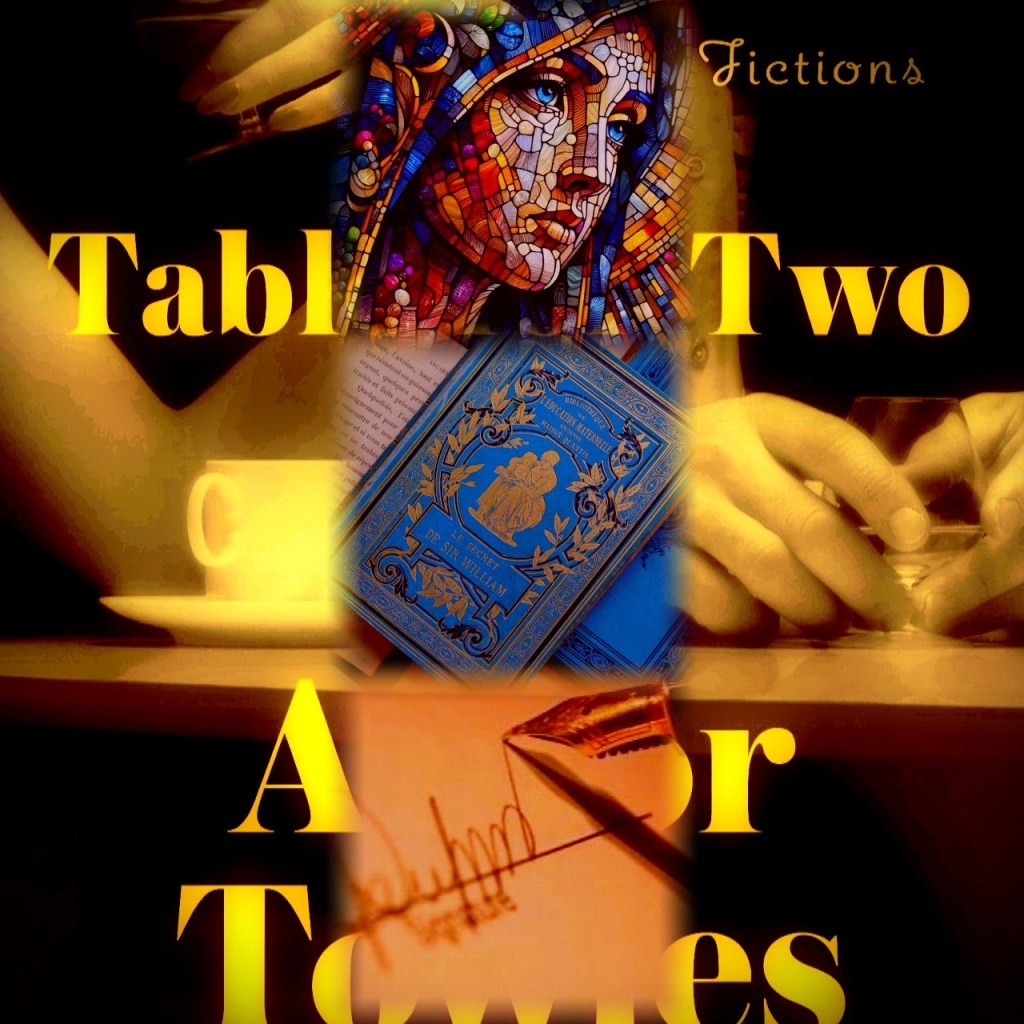
In this issue of Bookisshh I’ll share how a buddy reading can help someone you know engage their brain, improve their memory and communication while rediscovering a love of reading. Read on and enjoy!
There’s listening and then there’s listening… Recently a friend and me were debating how And Just Like That —the follow-up series to Sex and the City— was hitting and missing the marks. We would watch the show and recap right away and pepper our chat with fashion policing and poorly redrawn characters. The conversation was mostly fun but my friend was really struggling to find words and put her thoughts together. I even accused her of multi-tasking due to gaps in conversation, stuttering and overuse of vocal crutches. She confided that she takes a variety of medication’s that make her feel brain fog sometimes. She also recently lost her father to complications of dementia and is very afraid of this happening to herself.
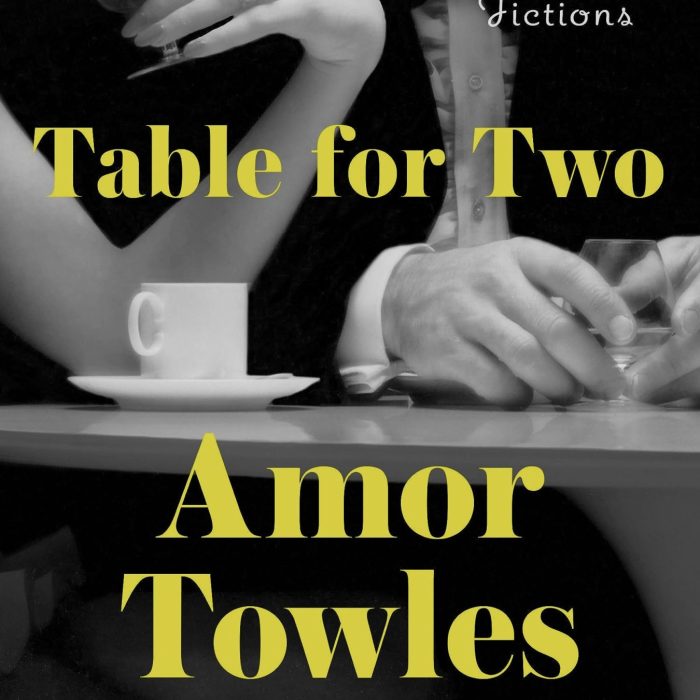
The behaviors I observed in my friend and shared with her activated a hotspot within my friend. I decided to watch her more closely as we continued with the last season of And Just Like That. As we worked our way through the final season my friend’s cognitive organization and verbal communication did not improve. She seemed so frustrated and this made me worry further.. So one afternoon I asked her: “When was the last time you read and finished a book and if so what is the title?” Crickets and graveyard silence… She couldn’t remember and she couldn’t name a title. ”Don’t sweat this” I assured her. We need to read a book together. She agreed. And so we read, Table for Two by Amor Towles.
When you’ve fallen out of the reading habit short story collections have a restorative effect. Firstly, short stories can be completed in a single session or over a brief period of time. Short bursts of focused reading make it easy to commit time and concentration and get that rush of confidence when you finish a story.
Keep in mind that some collections are themed either under one theme umbrella while other short story collections are not connected and give a writer an opportunity to showcase variety in style and structure. It’s a good idea to know whether a collection utilizes an overarching theme or a disconnected collection of short stories before you get started. Not knowing how/why the collection of stories is assembled creates confusion, frustration, and fatigue during reading. I know so many people who have picked up a short story collection and once complete didn’t understand the point of reading it. If this happens to you either reread it or laugh it off like I did the first time it happened. It happens…
I chose, Table for Two by Amor Towles because it is structured into 6 short stories and one novella. the theme of the collection is centered around the premise: What change can happen in person’s life when two people are seated together at a table engaged in intimate conversation? What new and/or not necessarily good direction can a person’s life go off in as a result of a conversation at a table for two.
Table for Two gives readers an opportunity to witness characters stripped down to their essence in varying state of existence. There are all kinds of character caricatures in this short story collection.
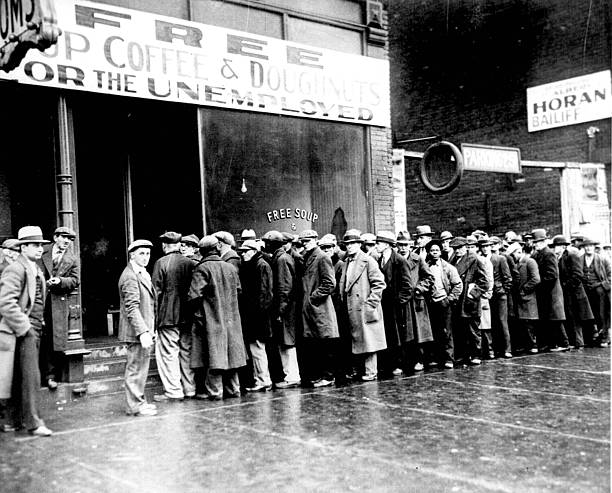
Examples of characters range the gambit include and the collection launches with The Line starring husband and wife, Pushkin and Irina. This couple are citizens of communist Russia who survive by either falling in or out of the system of Communism. Pushkin is a character who sets a subtextual tone for the remainder of the short story collection in Table for Two. He is not a capitalist nor is he a dutiful survivor in communist Russia. Irina works in the factory system and she rises the ranks into “management” while Pushkin loses jobs because he tries to find pleasure and meaning in the jobs available to unskilled laborerers. Eventually, Pushkin’s job becomes standing in lines for basic needs and permission documents throughout their Russian city. The line trajectory which this couple’s life was going in becomes divided and splits as Pushkin and Irina begin moving away from each other—far away… Far from each other but closer to their essential selves.
There is a table for two moment in every short story as well as the novella in this collection. Knowing this helps a non-reader, in this case my forgetful, under-stimulated, friend sustain and manage a purpose for reading and discussing Table for Two. So we read through the 6 short stories and 1 novella. We looked for the table for two moment; an intimate conversation between 2 people during which a manipulation or crossroads is under consideration. My friend had a purpose and process for reading, comprehending and processing the story. Our conversations became more energized and I witnessed other changes in her life—less time laying in bed; less time on the phone talking about nothing; and more time managing parts of her life. My friend became more interested in the world outside her condo. She even went to New York City to see her sister..
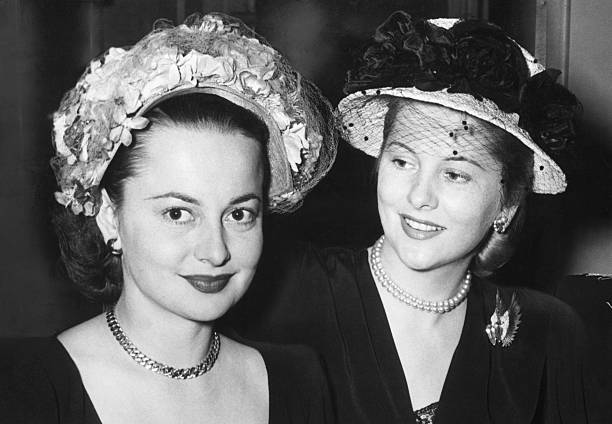
While I didn’t love Table for Two is how author Amor Towles draws his female characters—they are very secondary and with limited power to enact in their own lives and conflicts. However this oversight does make for ripe discussion. Also I wasn’t a fan of how his stories were so antiquated and set in vintage New York City and old time Hollywood. I didn’t know half of the stars his stories centered around. Furthermore, even as a fan of classical art especially painting I had no idea of the paintings the author centered within the stories. Images were not easy to locate. Regardless, if you like drifters, con men, and the blondes that gentlemen preferred you’ll be able to lose yourself in these stories for certain. If nothing else you’ll be training your brain and maybe the brain of someone you care about. Find a buddy and read something together and maybe you’ll find or rediscover your joy of reading. Enjoy!
 Bookisshh